
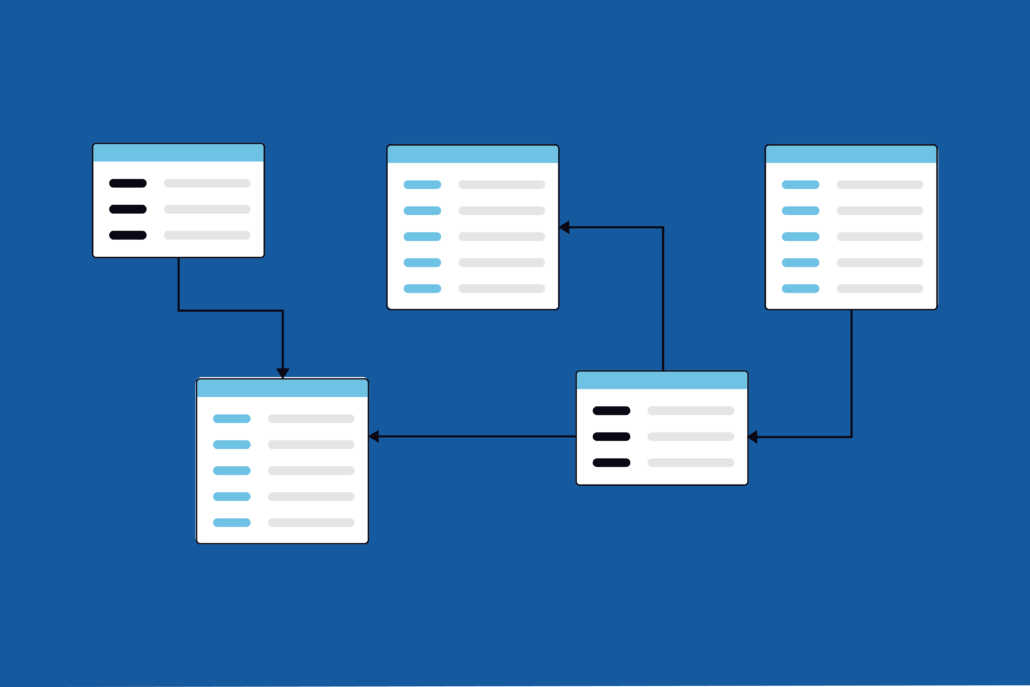
In process plant engineering, engineering and procurement are traditionally separate functions. While technical planning and specification take place within engineering, requests for quotes and ordering are often handled in separate systems. In practice, however, this division often leads to data inconsistencies, redundant data, and limited transparency.
A modern ERP system plays a central role here: It serves as a connecting element that consistently integrates technical, scheduling, and business information across all project phases.
Why Consistency Is Crucial
Complex plant projects are characterized by a wide variety of options, long lead times, and tight schedules. A lack of integration between engineering data and procurement leads to unclear specifications, delayed orders, and a lack of cost control.
A unified database in the ERP system reduces the need for reconciliation, prevents inconsistencies, and provides a transparent foundation for everyone involved in the project—from planning through implementation.
Structured Bills of Materials as a Link
The quality of procurement begins in engineering. Structured bills of materials in the ERP system translate technical planning into a format that can be used by purchasing and project management.
They contain not only materials but also technical specifications, references to standards, and commercial attributes. This structured consolidation ensures that engineering decisions can be transferred to downstream processes without requiring additional interpretation.
Scheduling Integrated into the ERP System
By integrating project management and procurement in the ERP system, order dates can be derived directly from project milestones.
Material requirements are no longer planned reactively, but proactively. Critical components can be identified and prioritized early on. Schedule deviations become systematically visible, enabling early intervention.
Approval Processes Between Engineering and Purchasing
A clearly defined approval process ensures that only reviewed and complete specifications are included in the procurement process.
Once technical approval has been granted, structured purchase requisitions are generated that contain all relevant information. Changes remain traceable and are subject to defined processes—an essential prerequisite for quality and transparency in procurement.
Procurement Based on Consistent Data
The Purchasing department uses the same structured database in the ERP system that originates from Engineering.
Inquiries, quotes, and orders access this information directly. Progress, cost trends, and variances are systematically documented and made available to all parties involved. This reduces misunderstandings and improves the project’s manageability.
Transparency Through Feedback to Engineering
An integrated approach enables the continuous flow of procurement information back to the engineering department.
Status, delivery dates, and cost trends are transparent at all times and can be directly incorporated into further planning. Decisions are thus based on a shared understanding of the situation rather than on isolated pieces of information.
Added value throughout the entire lifecycle
The structures established in the ERP system do not end with the completion of the project. They form the basis for the plant’s operation, maintenance, and future expansions.
Technical specifications, bills of materials, and procurement data remain available over the long term and support areas such as spare parts management, obsolescence assessment, and cost analyses.
Conclusion
In plant engineering, ERP is evolving from a traditional transaction processing system into a central information platform. It integrates engineering, project management, and procurement on a consistent data foundation.
Structured bills of materials, integrated scheduling, and transparent feedback processes give rise to a new level of project management. Those who consistently implement this end-to-end approach reduce risks, improve predictability, and lay the foundation for sustainable plant structures throughout the entire life cycle.

